Green Bio SolutionCricktone/ Green Bio SolutionGet a sample

Cricket-derived peptone · Microbial culture media

Cricktone.

A sustainable, BSE-free peptone for the next generation of microbial culture.

Engineered from Brachytrupes portentosus biomass through a two-step alkalase–trypsin hydrolysis, Cricktone delivers commercial-grade microbial performance with an order-of-magnitude lower environmental footprint than animal- or soy-based alternatives.

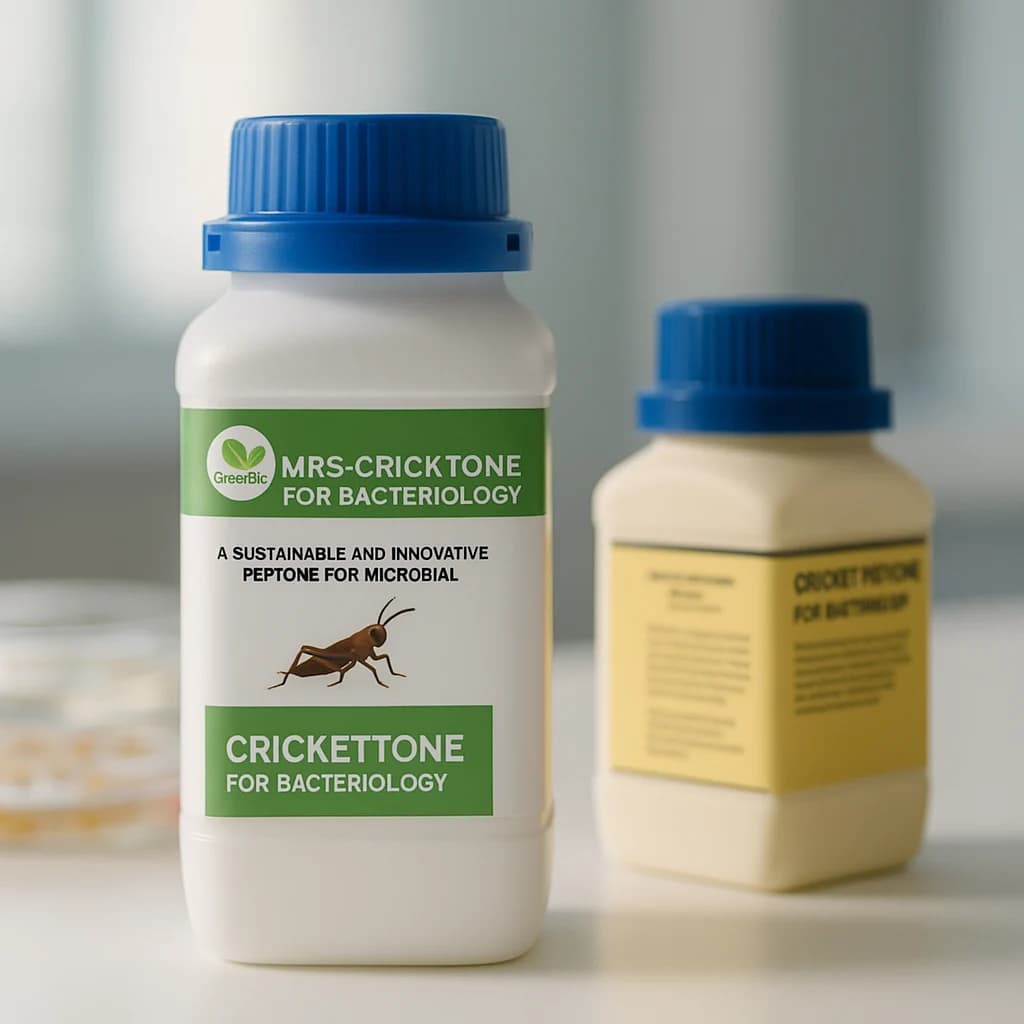
Cricktone cricket peptone bottle on a laboratory bench with petri dishes and culture media
13.45%
Total nitrogen
Min., spray-dried hydrolysate
4.20%
Amino nitrogen
Free amino acid yield
17
Amino acids
All essential types covered
BSE-free
Animal-pathogen safe
Insect-protein origin

Why peptone has to change

Microbiology runs on protein. Most of that protein still comes from cows.

For seventy years the global microbiology industry has fermented its way through casein, beef extract, and tryptone — animal-derived peptones that work, but carry well-documented BSE risk, opaque supply chains, and a livestock-scale carbon footprint.

Plant alternatives close the safety gap but lag in microbial response: lactic acid bacteria, in particular, grow slower and less consistently on soy hydrolysates than on animal peptone.

Insect protein closes the loop. Cricket biomass is high-nitrogen, low-input, and BSE-impossible — and when hydrolyzed correctly, it outperforms the animal-derived peptones it replaces.

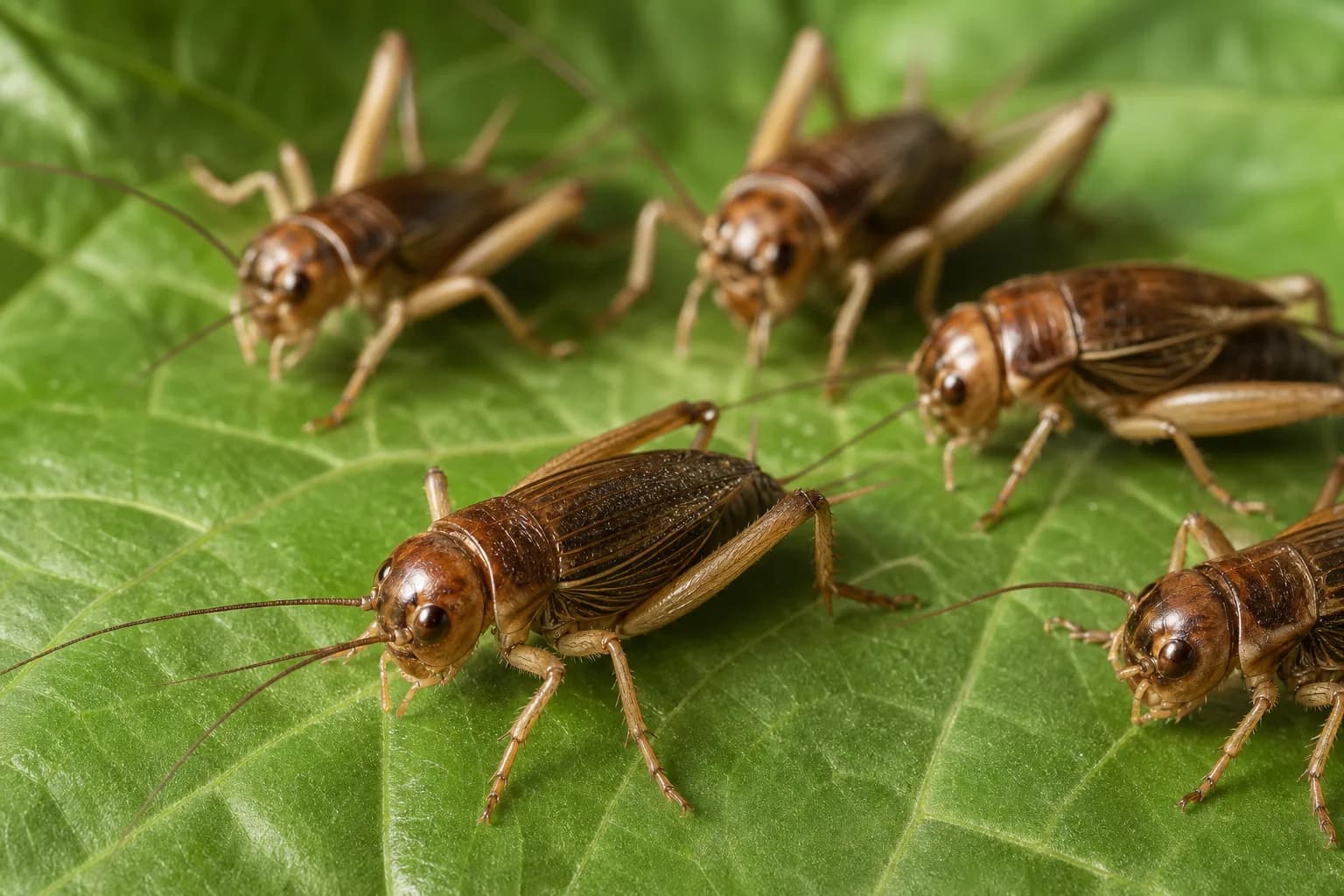
Brachytrupes portentosus — large brown field crickets, the source biomass for Cricktone peptone, resting on a fresh green leaf
Source biomass · Brachytrupes portentosus
Selected strains showed up to ~70% shorter lag phase on Cricktone versus commercial peptones.
— Channankit, Pakakrong & Lertworapreecha, Biocatalysis and Agricultural Biotechnology (2026)

The product line

One peptone platform, three formats for the lab.

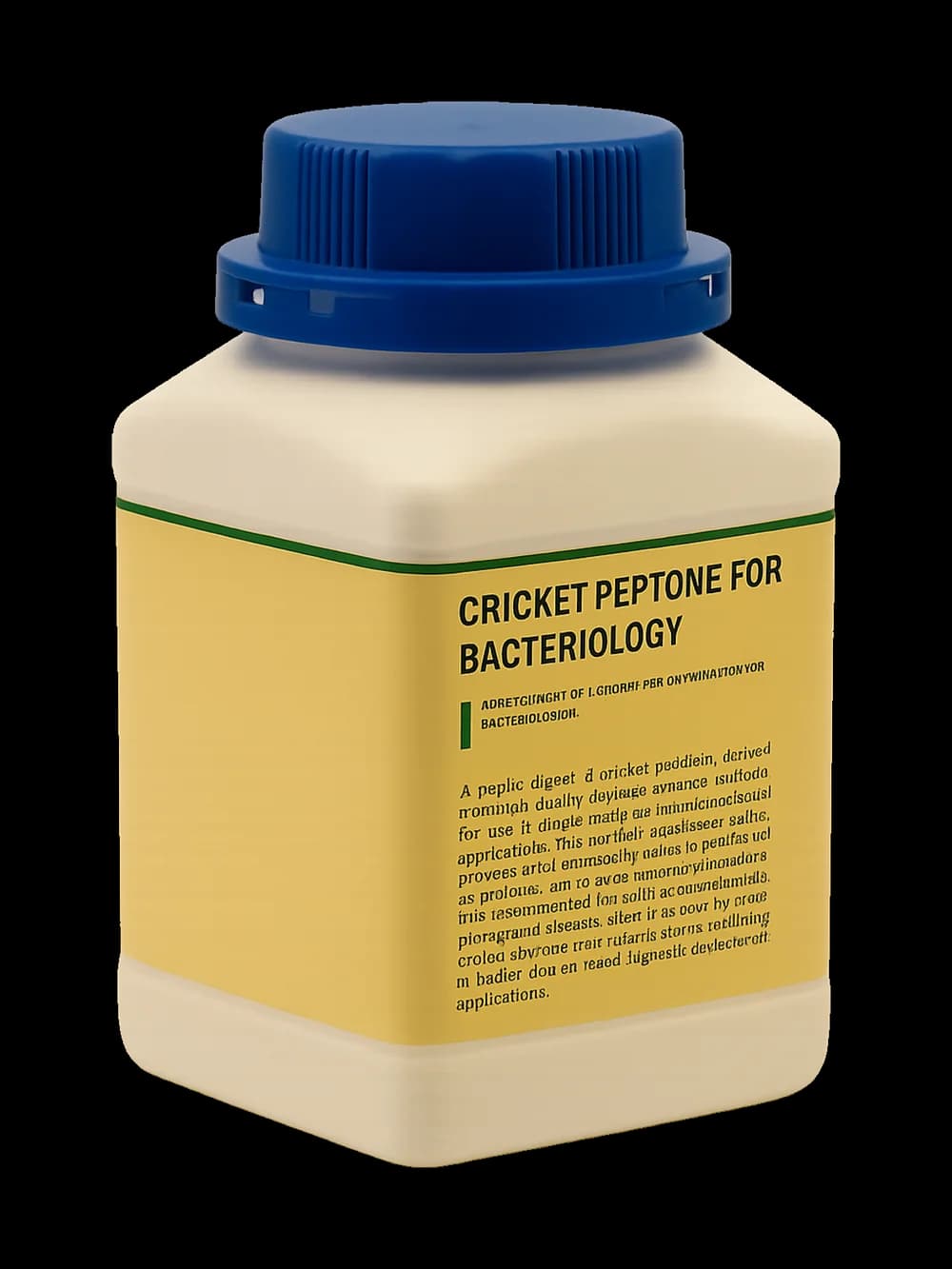
Cricktone packaging

General-purpose peptone

Cricktone

A peptic digest of cricket protein, optimized for large-scale microbial fermentation, recovery, and diagnostics across enzyme, vaccine, antibiotic, and bio-based production lines.

Form
Yellow spray-dried powder
Total N
≥ 13.45%
Solubility
Soluble in water
Shelf life
36 months
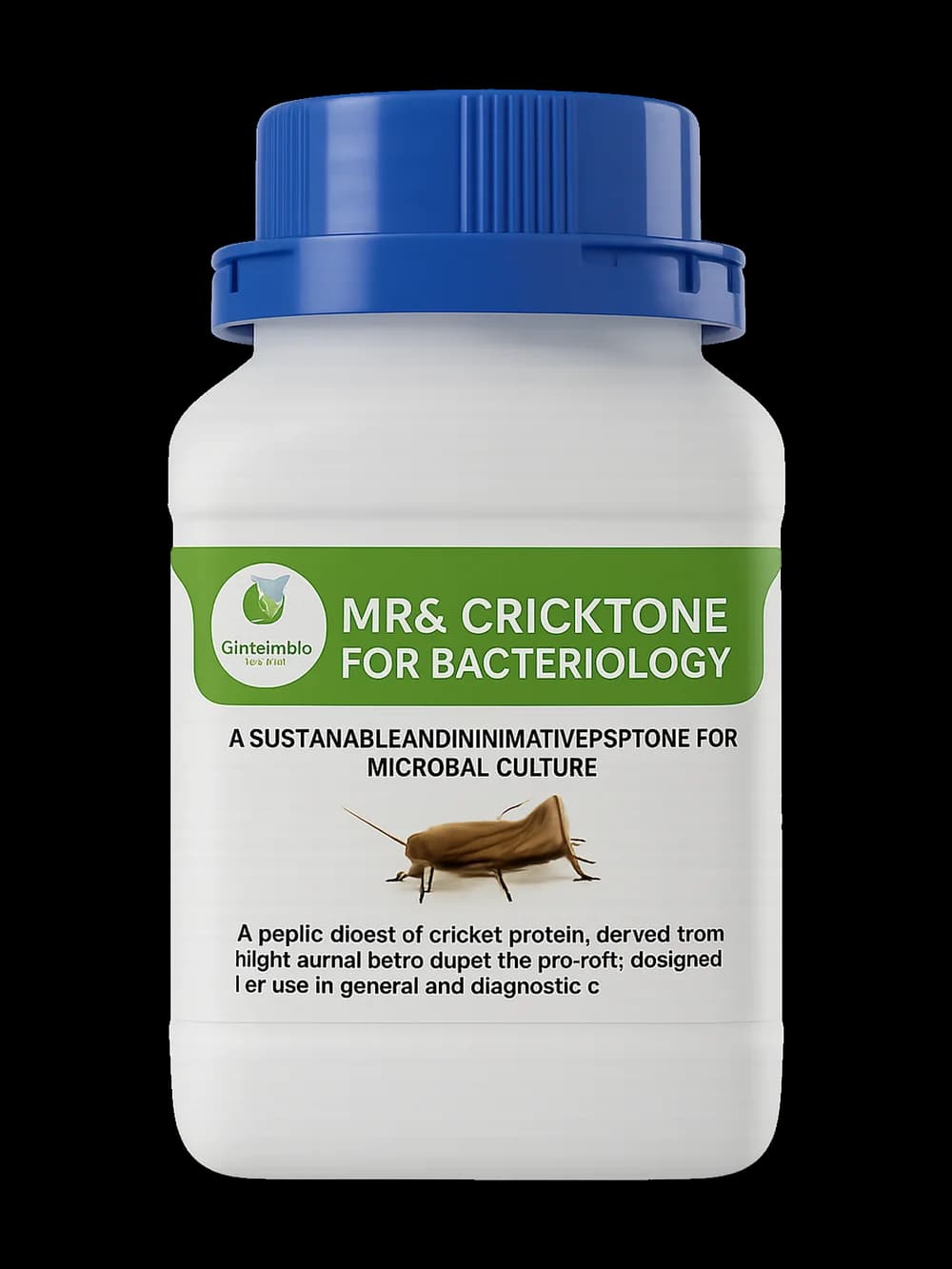
MRS CrickTone packaging

Specialized for Lactic Acid Bacteria

MRS CrickTone

Cricktone combined with a tuned MRS formulation. A unique blend of superior growth, BSE-free safety, and sustainability, providing a reliable, eco-friendly alternative to conventional MRS media for precision LAB cultivation.

Target
Lactobacillus, Bifidobacterium
Format
Pre-formulated powder
Origin
Insect-based, BSE-free
Lag phase
~70% shorter (selected strains)
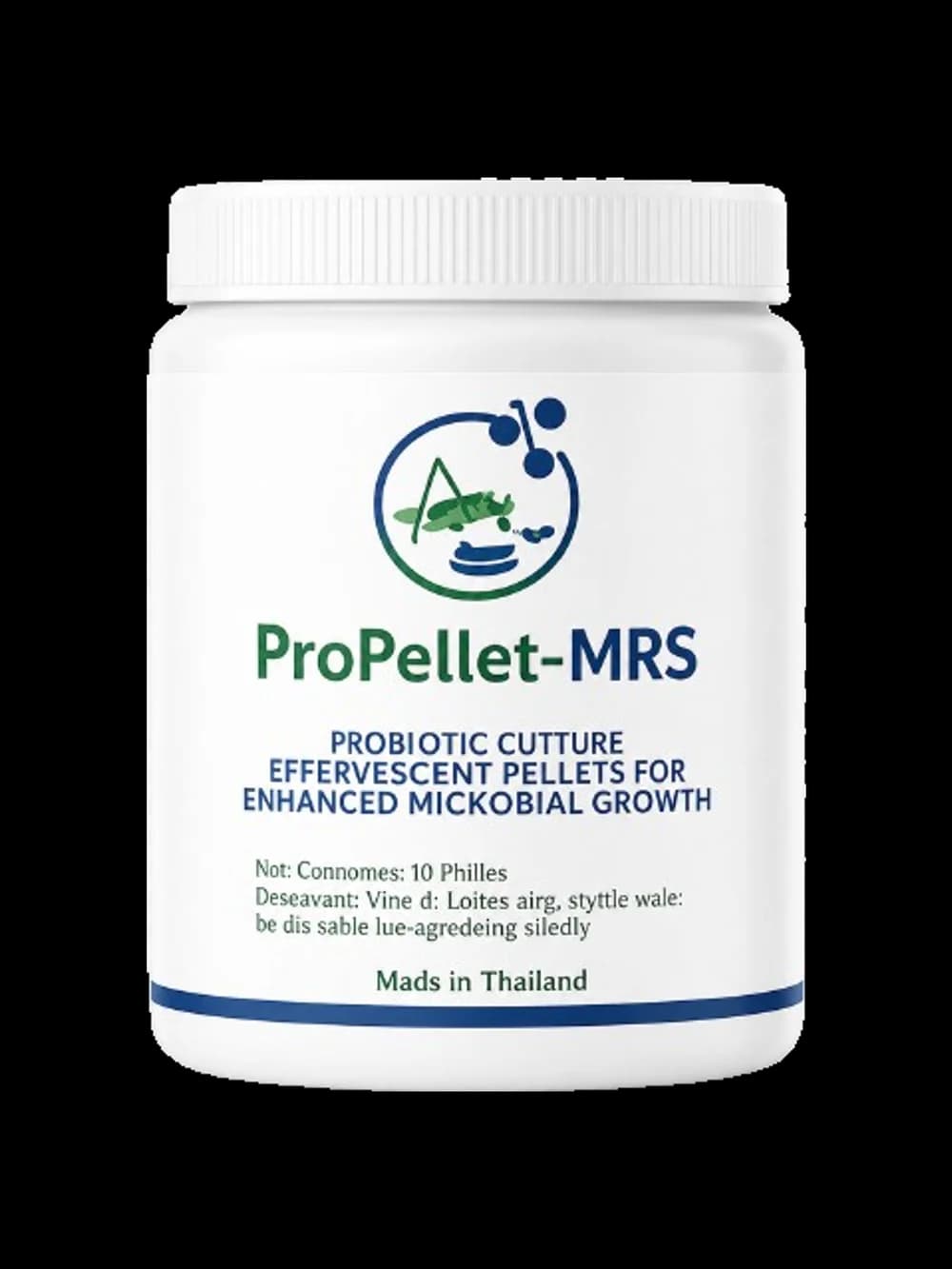
ProPellet-MRS packaging

Effervescent probiotic pellets

ProPellet-MRS

An effervescent pellet format derived from the MRS CrickTone platform — engineered for enhanced microbial growth and rapid rehydration in field, clinical, and industrial workflows.

Format
Effervescent pellet
Use
Probiotic delivery, rapid culture
Made in
Thailand
Pack size
10 pellets

Key advantages

Performance, safety, and footprint — all at once.

High nitrogen & amino acid content

13.45% total nitrogen, 4.20% amino nitrogen, and full coverage across all 17 essential amino acid types — verified by post-hydrolysis amino acid analysis.

Rapid, consistent microbial growth

Excellent kinetic fit (R² > 0.99) across E. coli, S. aureus, and Enterococcus faecalis. Selected strains showed up to ~70% shorter lag phase than commercial peptones.

Sustainable, low-footprint ingredient

Cricket biomass requires a fraction of the water, land, and feed of livestock peptone sources, and the alkalase–trypsin process minimizes chemical usage.

BSE-free, safe by origin

Insect protein is biologically incapable of carrying BSE or other ruminant prion diseases — a structural safety advantage no animal peptone can offer.

Microorganisms supported

Broad spectrum, validated in the lab.

Cricktone supports the growth of representative gram-negative, gram-positive, yeast, and mold strains. MRS CrickTone extends the platform to a tuned formulation for lactic acid bacteria and bifidobacteria.

Gram-negative

  • Escherichia coli
  • Salmonella spp.
  • Pseudomonas aeruginosa

Gram-positive

  • Bacillus subtilis
  • Staphylococcus aureus
  • Enterococcus faecalis

Yeasts & molds

  • Saccharomyces cerevisiae
  • Aspergillus niger
  • Candida albicans

LAB & gut flora

MRS CrickTone
  • Lactobacillus acidophilus
  • Lactobacillus plantarum
  • Lactobacillus casei
  • L. rhamnosus
  • L. delbrueckii subsp. bulgaricus
  • Streptococcus thermophilus
  • Bifidobacterium animalis

Specifications

The data sheet.

Every batch is QC-tested against the standards below. Full COA and amino-acid profile available on request.

STORAGE · Cool, dry (15–25°C). Heat-resistant ≤ 105°C.
Cricktone product specifications
PropertyObservedStandard
AppearanceYellow powderYellow powder
pH value6.025 – 7
Total nitrogen13.45% min≥ 12%
Ammonia nitrogen2% min≥ 3.50%
Loss on drying6%≤ 7%
Ash content10% max≤ 10%
Staphylococcus aureusPositive — yellow colonies
Pseudomonas aeruginosaPositive — green colonies
SalmonellaPositive — white-pink colonies
Escherichia coliPositive

Peer-reviewed science

Published in Biocatalysis and Agricultural Biotechnology, 2026.

Biocatalysis and Agricultural Biotechnology 73 (2026) 103972

Channankit · Pakakrong · Lertworapreecha

Thaksin University · Biotechnology Program, Microbiology Program, and Microbial Technology for Agriculture, Food and Environment Research Center

Valorization of cricket biomass into a sustainable, high-performance peptone for microbial culture media. Response surface methodology identified an optimal alkalase window near 52.5 °C and a trypsin maximum near 37–38 °C; the resulting two-step hydrolysis increased total free amino acids ~3.5× over the unhydrolyzed control and reached ~33–35% degree of hydrolysis. The spray-dried hydrolysate yielded a peptone of 13.25% total nitrogen and 4.20% amino nitrogen with 2.20% moisture, and supported E. coli, S. aureus, and Enterococcus faecalis with an excellent kinetic fit (R² > 0.99) versus casein- and soy-based peptones.

ELSEVIER · 2026R² > 0.99

The people

A small team. A serious lab.

Waraporn Chamnankit

Waraporn Chamnankit

Chief Executive Officer

Microbiology & Biotechnology
Ornthana Yodnarong

Ornthana Yodnarong

Director · Marketing Manager

Microbiology & Nanomaterials
Asst. Prof. Dr. Monthon Lertworapreecha

Asst. Prof. Dr. Monthon Lertworapreecha

Chief Technology Officer · R&D Lead

Medical Microbiology & Immunology

Talk to the lab

Build with a peptone that builds back.

Request a technical data sheet, ask about pilot quantities, or talk to our R&D team about a custom formulation for your strain.

Lab
639/23, 2-Story Commercial Building, Moo 1, Ban Phrao Sub-district, Pa Phayom District, Phatthalung Province 93210, Thailand

Request a sample